
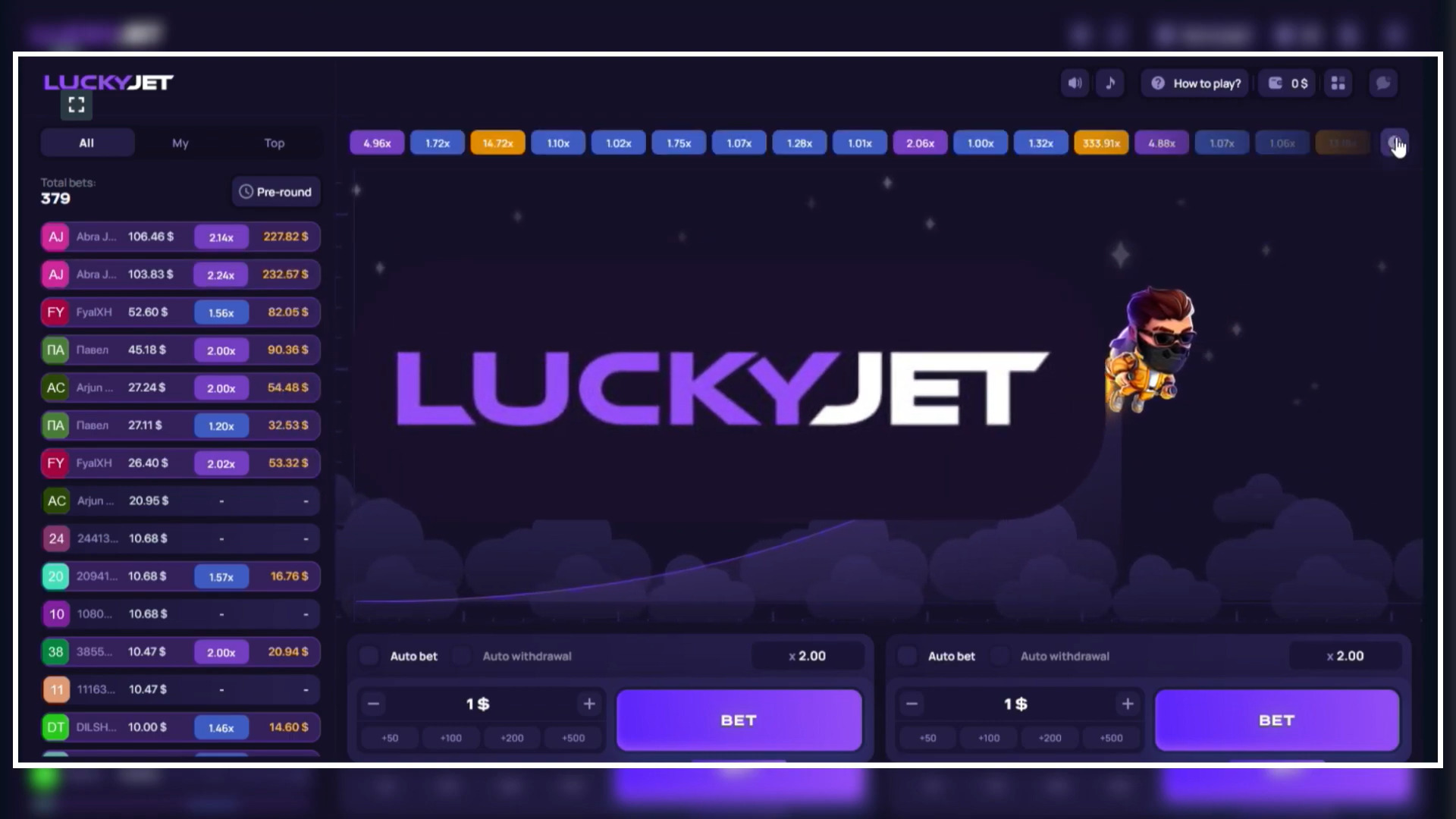
Every time someone in Canada begins a round of Lucky Jet, an old philosophical argument begins alongside the game’s virtual jet https://aviacasino.games/lucky-jet/. This crash game, famous from coast to coast, puts the concepts of fate and free will into a high-speed clash. The game’s algorithm indicates each round has a fixed, random outcome—pure chance. Yet players wield a moment of pure choice: the decision of when to hit the cash-out button. That tension transforms Lucky Jet into a digital arena for a timeless debate. Are players just seeing fate unfold, or are they actively steering their own destiny? The question involves psychology, game design, and how we take decisions when money is on the line.
The fundamental mechanics of Lucky Jet: A game of luck
Lucky Jet is powered by complex algorithms designed to produce arbitrary, unpredictable results. Each round starts with a jet initiating its rise. A multiplier rises from 1.00x. The aircraft eventually crashes at a random point, setting everything to zero. Players place a bet before the jet takes off. To succeed, they must manually press “Cash Out” prior to the crash, securing the current multiplier. If the jet disappears before they act, they sacrifice their bet. This complete process is driven by a Random Number Generator (RNG). In licensed markets, this RNG is approved for fairness, guaranteeing each flight’s length is autonomous and random. From the player’s perspective, this is the aspect of pure luck. The crash time is set as soon as the round commences, buried in the code. No ability can predict the specific moment of the vanish. This places one side of the debate securely in the world of predetermined outcomes.
The Perception of Control: Gambler Choices in the Now

Even with that basic randomness, Lucky Jet expertly creates a intense sense of control. The cash-out decision seems like a genuine act of free will. As the multiplier rises, a player measures greed against caution, a hunch against cold logic. They are not idle. They are making a critical choice that affects their result. This feeling of agency is intense. Players develop personal rituals or “systems,” like always cashing out at 2.00x or waiting for a specific feeling. These habits reinforce the belief that their will shapes the outcome. This sense of control is key to the game’s grip. It transforms a random number generation into a personal battle between the player’s nerve and the game’s hidden fate. The debate sparks right at this point.
The Argument of Fate: The Hidden Algorithm
The “destiny” argument rests on the cold logic of programming code. The outcome of each Lucky Jet round is determined by a sophisticated algorithm before the jet even emerges on screen. The RNG does not care about a player’s sentiments, previous rounds, or cash-out history. It is a neutral digital fate-spinner. From this angle, every win and loss is fated from the instant the wager is placed. The player’s cash-out decision is merely a response to a sequence already underway. It’s akin to choosing when to step off a moving walkway whose end is already determined. The multiplier display is just a depiction of a predetermined outcome. In regulated provinces like Ontario, this randomness is thoroughly tested and certified, highlighting the game’s fate-driven core. Here, the player is just uncovering a predetermined result, not generating one.
Free Will’s Response: The Influence of the Cashout Button
Proponents of free will respond with an undeniable reality: the preset crash point means little without human input. The algorithm creates the *potential* environment, but the player’s action defines the *final* outcome. Consider two participants in the same round with identical bets. The first withdraws at 1.50x for a moderate gain. The second turns greedy and fails at 1.49x, forfeiting everything. The decisive crash point stayed identical for both players. Their financial results, nevertheless, were entirely different because of their own choices. This point, the reasoning goes, shows free will in action. The platform delivers a structure of risk, and the user maneuvers through it using judgement, discipline, or pure instinct. Their choice directly determines the narrative of their round. For a lot of players, this sense of individual responsibility and active participation is what turns Lucky Jet beyond a simple game of chance. It transforms into a measure of character.
Cognitive Biases at Play in Canadian Players
Canadian players are similarly susceptible to the cognitive biases that influence the fate versus free will perception. The “gambler’s fallacy” is prevalent. After multiple low multipliers, a player might think a high one is “due,” incorrectly imposing a narrative of fate on independent events. The reverse, the “hot-hand fallacy,” happens when a player who has cashed out effectively a few times feels their personal luck or skill is in control. Lucky Jet’s fast pace and simple visuals can magnify these biases. The mounting tension and the need for a calculated cash-out action feed the brain’s desire to identify patterns and exert control over randomness. Recognizing these psychological underpinnings is essential for players who want to engage mindfully. It enables them realize how their own minds blur the lines between chance and choice.
Approaches and Beliefs: Where Beliefs Collide
On forums and in groups, Lucky Jet Canadian players share a combination of pragmatic tactics and profound myths. This blend reveals the conflict of ideas in action. Common approaches are:
- The Fixed Multiplier Strategy: Cashing out at a certain, small rate like 1.20x to grind modest profits. This depends on self-control over fate.
- The “Double or Nothing” Approach: Allowing a opening stake run to a greater multiplier to recover deficits, a strategy that feels like facing chance head-on.
- Session Budgeting: Employing rigid fund control, a obvious practice of autonomy to control the overall narrative of a playing session.
- Pattern Seeking: Watching for “trends” in previous break points, an effort to decode and outwit the system’s destined structure.
Whether these techniques are data-driven or not, they represent tries to impose autonomy on a structure of destiny. They are rituals of mastery in the face of unpredictability. Their being emphasizes the innate desire to seek agency inside random frameworks.
Responsible Gaming in the Realm of Management
The predetermination versus free will discussion has concrete consequences for ethical play in Canada. If a player inclines too heavily into the “fate” story, they might adopt a passive, accepting mindset. They may believe results are entirely out of their influence, which can cause impulsive loss-chasing. If they misjudge their free will and “skill,” they may embrace uncalculated risks, convinced they can outthink the algorithm. A better method acknowledges the dichotomy. It understands that the crash point is arbitrary and unpredictable—that’s predetermination. It also embraces full responsibility of the choices within a player’s influence: bet size, cash-out timing, and the crucial choice to stop. Canadian regulators and responsible gaming advocates emphasize managing these controllables. They advise establishing deposit limits, using time-outs, and viewing the pursuit as funded recreation, not an earnings stream. This moderate perspective is the most useful implementation of the complete philosophical argument.
Lucky Jet in the Wider Canadian Gaming Culture
Lucky Jet’s appeal in Canada stems partly from how it reflects a cultural dilemma. Canadians like games of luck, from national lotteries to casino visits, but they also emphasize pragmatism and smart choices. Lucky Jet finds itself at this junction. It provides the quick thrill of a lottery draw while offering the continuous, active option of the cash-out button. It’s a social game where talk revolves around “big wins” (fate’s kindness) and “bad beats” where a player “should have cashed out sooner” (a failure of will). This renders it a compelling subject beyond mere gameplay. It acts as a digital reflection of a larger discussion about how we understand influence and luck in our own experiences. The game doesn’t solve the discussion. Instead, it provides Canadians a arena to undergo and ponder it in real time.
Navigating the Twofold Reality as a Contemporary Player
The strongest stance for a modern Canadian player is to accept Lucky Jet’s dual reality. Recognize the complete rule of fate over the algorithm’s arbitrary output. No wish, strategy, or perfect timing can change the predetermined crash point once a round commences. At the same time, appreciate and employ your free will over everything else. You manage the amount you bet, the point where you claim winnings, how long you play, and how you handle wins and losses. This even view turns the game from a philosophical puzzle into a simpler activity. You are interacting with a system of chance, applying your judgment to handle its risks. By differentiating what is fated (the game’s result) from what is willed (your actions and limits), you can savor the exciting climb of Lucky Jet. You can preserve a balanced, responsible, and ultimately more pleasurable gaming experience designed for the thoughtful Canadian player.